
The Holiday Meal Many Never Enjoyed
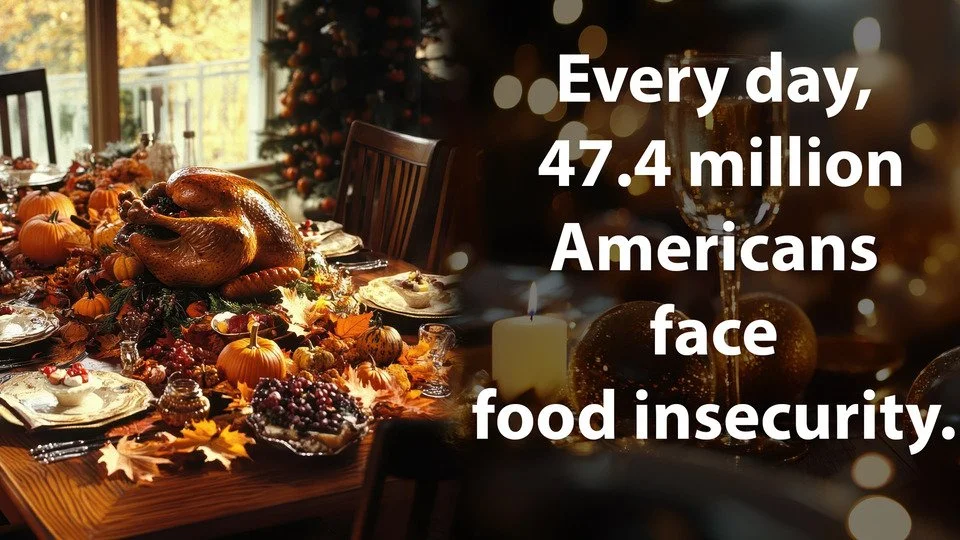
As we plan for these marvelous feasts, we like to believe our food supply is safe, and food insecurity is something third-world and overpopulated countries worried about. The pandemic should have served as a wake-up call showing us just how thin the tightrope is that our food security balances upon. Even without the pandemic supply chain issues, in 2023, 13.5% of U.S. citizens struggled to keep food on their tables. The utterly unacceptable news is that the Tramp regime has not chosen to “fly blind” by nixing the USDA Hunger Report. There is no other data source that allows us to monitor hunger in America.
MULTIPLE STRESSORS CAST SHADOWS OVER FOOD ACCESS
Politics
I wrote this article last year at about this same time. However, things have changed. Figures for 2023 that estimated some 13.5% of people faced food insecurity has now increased to 20%, with some areas reaching 50%. In spring 2024, Harris County, Texas found discovered that nearly 40% of the households they surveyed were food insecure. For a little perspective, Harris County includes the greater Houston metropolitan area with a population of ~7 million. Let that settle on you. Even being extremely conservative and using the 20% figure, some 1.4 million people are struggling to put food on their table. Again, that is just within one area.
So our government decided that now is the time to reduce SNAP benefits, astronomically raise insurance rates, and enact tariffs that, along with other factors, has resulted in shockingly high prices at the grocery store. Prices that Trump insists have gone down.
““Grocery prices are way down,” he (Trump) said Tuesday. “Groceries are down,” he said October 16. “Now, as you know, groceries are down,” he said October 14. “We’ve gotten prices way down for groceries,” he said October 10. “Under my leadership…grocery prices are down,” he told world leaders at the United Nations on September 23.”
Grocery Prices are Not Down and the Hungriest States are Red
Where you live makes a difference, especially if you live in a red state. Time and time again, the people who voted for Trump are the very people who are most negatively affected by his policies. In this case, the top five hungriest states are red. In fact, all of the top ten states with the highest rates of food insecurity voted Republican.
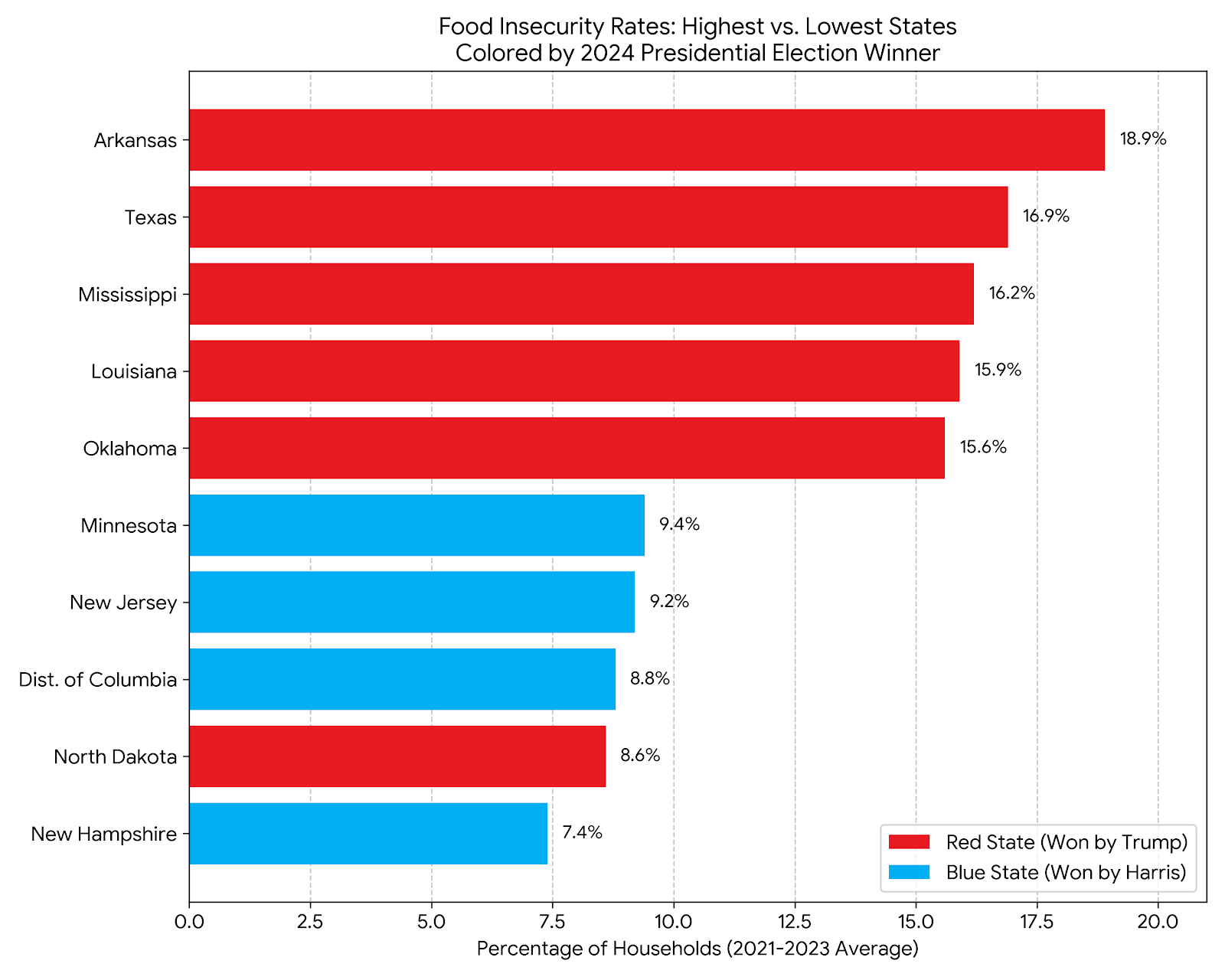
Trump’s policies negatively affect the very people who voted for him. It’s sad, but remember Trump’s brash comment? “Smart people don’t like me.”
Poverty
Unemployment, underemployment, and those rising food prices put adequate nutritious food out of the reach of more people. Small communities have fewer opportunities for good pay and limited access to stores where healthy food is more affordable.
Until Trump , we had enough food and government programs so that no one should go hungry. But the One Big Beautiful Bill Act (OBBBA) has an appalling number of nasty little surprises in it. Steep cuts in SNAP benefits for nearly 42 million Americans and steeper increases in health insurance premiums find even those with one or more jobs heading for the food bank. The food banks are not equipped for such a surge. For more information on how this mega bill affects communities, check out the Center on Budget and Policy Priorities site.
According to the School Nutrition Association, 20% of American children lack adequate food. Share Our Strength's No Kid Hungry is a national campaign working to bridge the gap between hungry families and government programs. They responded strongly to Trump’s ending reporting on food insecurity.
“The administration should focus on eliminating hunger in America, not on eliminating evidence of hunger.”
As of this writing, eight states have passed bills to provide free school meals. However, since the OBBBA, their funding has decreased while the demand for food assistance has increased.
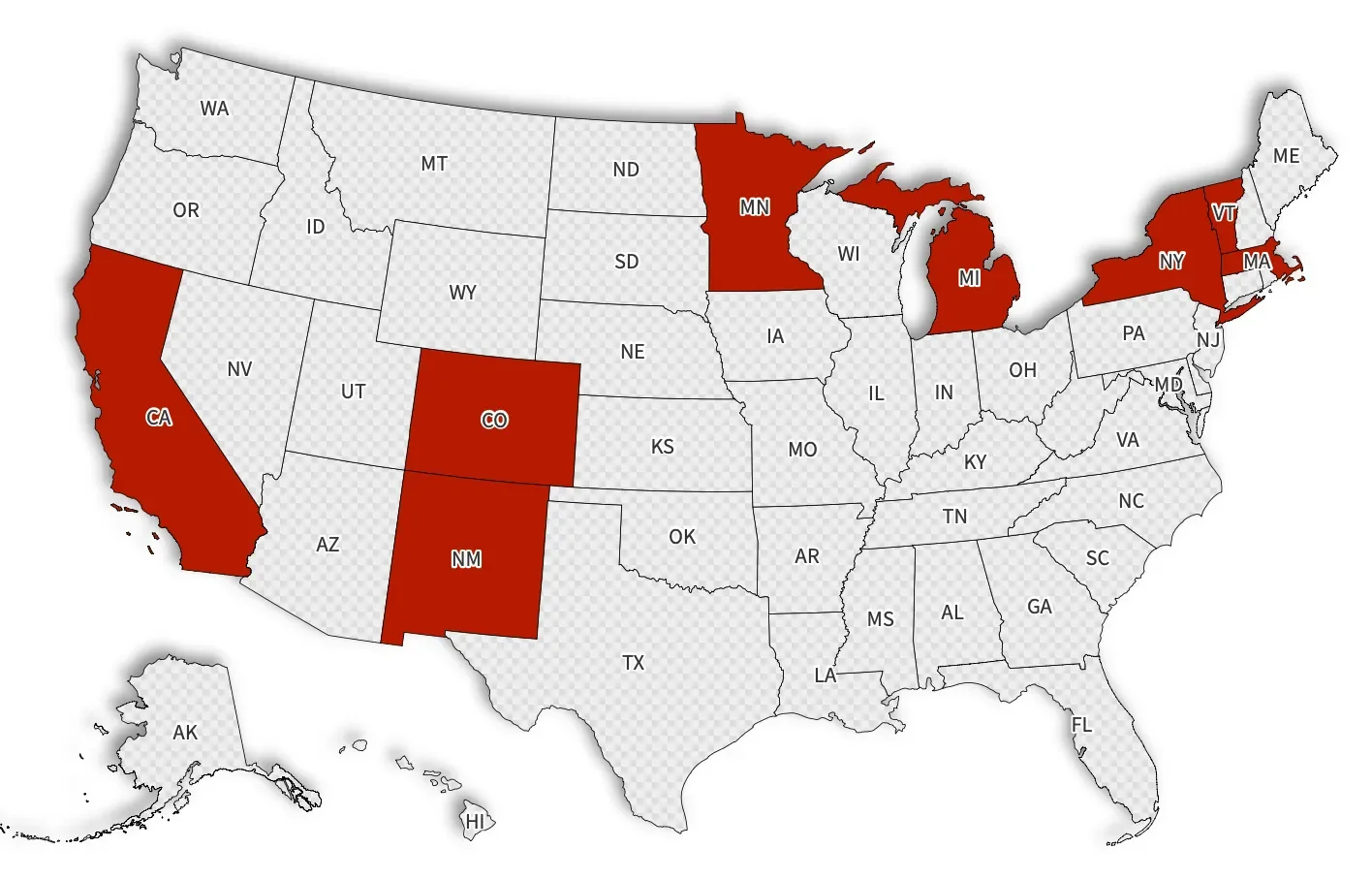
Determined to make it difficult to see the big picture in many areas, Trump announced September 20, 2025 the USDA will stop releasing food insecurity data.
The homeless face unique difficulties. While we tend to picture the homeless as isolated singles, 37% of the population are families. The National Alliance to End Homelessness's State of Homelessness: 2024 Edition reports a 12% increase in homelessness from 2022 (post-pandemic) to 2023.

Elderly and poor enjoying holiday dinner served by volunteers.
Housing Costs
Housing is in short supply, driving the costs beyond many Americans' reach. Meanwhile, rents escalate in line with the cost of traditional homes. Each increase results in a like decrease in the family food budget.
Chronic Health Conditions and Aging
As of 2022, the National Council on Aging reported that one in four adults 65+ had to cut back on food, utilities, and medication due to health care costs, and 37% were worried they would not be able to afford health care in 2023. Money once reserved for food now pays for health care. It's a vicious circle: Mediocre quality food increases health risks and expense.
Discrimination
Marginalized populations face discrimination that can affect their ability to get or keep gainful employment. Limited housing options can force them into undesirable neighborhoods with little to offer in the way of affordable food or transportation.
There are programs available to help with the above issues, although they can be difficult to navigate. The next couple of issues are more complex and don't come with easy answers.
So, as we prepare to enjoy our feast, let’s remember those that experience hunger and loneliness all year through.